Overview
Understanding Depression
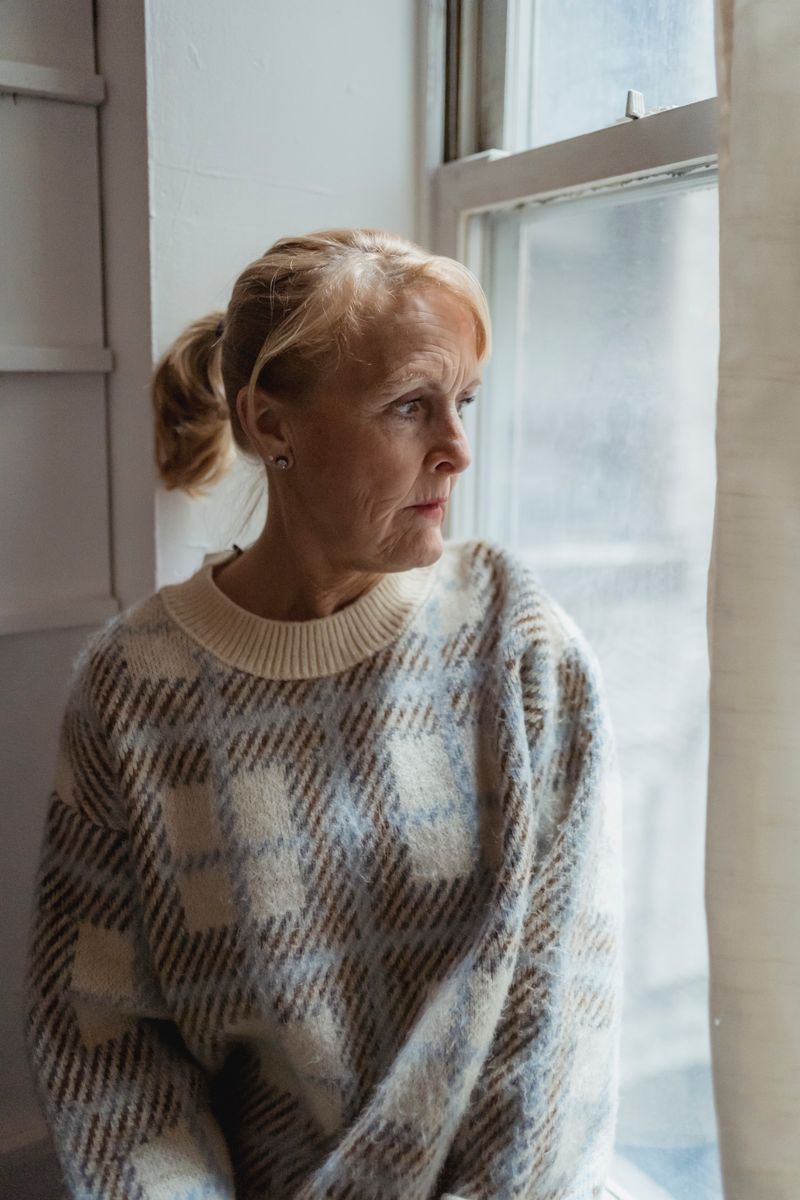
Depression is more than a passing low mood. It can affect how you feel, think, sleep, eat and handle daily activities. It can happen to anyone, at any age, and it isn’t a personal failing.
There are different forms of depression, and experiences vary widely. A careful evaluation can help clarify what you’re experiencing and which options may be worth discussing.
What some people experience
Common Experiences
Everyone’s experience is different. Some people may notice:
- Persistent sadness, emptiness or hopelessness
- Loss of interest or pleasure in usual activities
- Changes in sleep or appetite
- Low energy or feeling slowed down
- Difficulty concentrating or making decisions
- Feelings of worthlessness or excessive guilt
This list is for general education and is not a diagnostic tool. If any of this sounds familiar, consider talking with a qualified clinician.
How SBHS can help
Personalized Support
Support may include evaluation, supportive therapy, psychoeducation, medication management when clinically appropriate, and regular follow-up.
Treatment options can be discussed based on your individual needs, and your plan can change as your needs change.
Related Services
Depression Treatment
Compassionate care for ongoing sadness, low energy, loss of interest, or feeling stuck.
Medication Management
Careful, collaborative support when medication is part of your plan, with regular check-ins and adjustments.
Individual Therapy
Supportive one-on-one sessions to talk openly, build coping skills and work toward what matters to you.